You wake up late, rush through your morning routine, check a few messages and head out. Breakfast is the easiest thing to postpone because there is always something that seems more urgent. By 11 a.m., however, you may already have attended a class, answered messages, worked through a meeting, handled several tasks and wondered why you are struggling to concentrate.
It is easy to blame the workload, your phone, poor sleep or simply a lack of motivation. But there is another question worth asking: what did you eat this morning?
The relationship between food and productivity is more complicated than the popular idea that breakfast automatically makes you more productive. Research does not support such a simple conclusion, but it does suggest that what, when and how much we eat can influence how we feel and function during the day.
Breakfast matters, but not in the way you may think
Breakfast has been called the most important meal of the day for generations, yet science does not give us enough evidence to treat that as a universal rule.
Studies examining breakfast and cognitive performance have produced mixed results. Some research suggests that eating breakfast may provide a modest benefit for certain types of memory, particularly memory tested later in the day, while findings around attention, executive function and other areas of cognition are less consistent.
Research on breakfast composition is similarly nuanced. The type and amount of food consumed may matter, but studies differ considerably in the foods they test, the people involved and the ways cognitive performance is measured. This makes it difficult to say that one particular breakfast will reliably make everyone more focused or productive.
So the useful question is not simply, “Did you eat breakfast?” It is “How are you starting your day, and is your usual routine working for you?”
Your brain is part of your workday
We often talk about productivity as though it is purely a matter of discipline. Wake up early, organise your tasks, eliminate distractions and get things done. Those habits matter, but they do not remove the fact that productivity happens inside a human body.
The brain depends heavily on glucose for energy, and what we eat affects the way energy is supplied and used by the body. This is one reason researchers continue to study whether breakfast timing and composition affect memory, attention and other aspects of cognitive performance.
That does not mean that a particular meal is going to transform your concentration overnight. It simply means that food is part of the physical system supporting the work you are asking your body and brain to do.
There is also a practical difference between eating something and having a meal that leaves you reasonably satisfied. A breakfast that keeps you comfortable for several hours is likely to serve your morning differently from one that leaves you hungry again almost immediately.
What you eat may matter more than simply eating
This is where the conversation becomes more useful.
There is no universally perfect breakfast, but a thoughtful morning meal can provide energy and help you avoid becoming excessively hungry while you work or study. Researchers have looked at factors such as total energy, carbohydrate quality, glycaemic response and the balance of nutrients, but the evidence is still too mixed to say that one specific combination guarantees better cognitive performance.
In everyday life, that means you do not need to turn breakfast into a complicated nutritional project. The goal is simply to make a reasonable choice that works for you and fits the way you live.
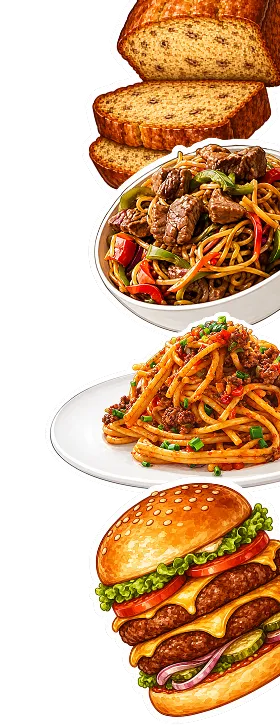
For one person, that might be eggs and bread with fruit. For another, it could be oats, yogurt, pap and akara, or another meal that is familiar, satisfying and practical. What matters is not finding the meal that the internet has declared “perfect,” but developing a routine that leaves you able to get on with your day.
What if you skip breakfast?
This is where the popular conversation often becomes too dramatic.
Skipping breakfast does not automatically mean that you will have a poor day, and eating breakfast does not guarantee that you will be productive. Recent research in healthy adults has not produced strong evidence for a simple rule that breakfast consumption is always better or breakfast skipping is always harmful. The effects appear to depend on the individual, the broader diet and the outcome being measured.
The better test is your own experience.
If skipping breakfast works comfortably within your routine and you remain focused and energetic, that is different from regularly skipping food, becoming extremely hungry and then struggling to concentrate later.
The point is not to create another rule. It is to pay attention to what your body is telling you.
Do not forget water
Food gets most of the attention in conversations about morning performance, but hydration matters too.
Research on hydration and cognition is not completely consistent, although reviews have found evidence that dehydration can affect aspects of attention and executive function, particularly under certain conditions.
You do not need to turn water into another productivity hack. Simply starting the day hydrated and continuing to drink fluids as needed is a sensible part of taking care of yourself, especially in a warm environment.
Productivity is bigger than breakfast
This is probably the most important distinction.
Your breakfast is not your productivity, just as your coffee is not your productivity. Sleep, stress, workload, motivation, physical health, working conditions and habits all play a role in how well you function.
Research into workplace nutrition and lifestyle interventions suggests that nutrition can contribute to work-related outcomes such as productivity, workability and absenteeism in some situations, although the evidence varies considerably between studies.
So we should be careful with statements such as “eat this and become productive.” Food is not a shortcut around poor sleep, unrealistic workloads or a stressful environment.
What food can do is support the person who has to deal with all of those things.
So what should you eat?
There is no single breakfast that everyone needs to eat, and there is no reason to make the first meal of the day unnecessarily complicated.
A useful breakfast is one that fits your needs, gives you enough food to feel satisfied, and works with the rest of your eating pattern. It might include a combination of foods that provide carbohydrates, protein, fats, fibre and other nutrients, depending on your preferences and circumstances.
The bigger problem for many people is not choosing the wrong breakfast. It is having no plan at all.
When the morning is rushed, food becomes an afterthought. You leave home without eating, buy the first thing you see later, or spend the day trying to work through hunger until you finally stop for a meal.
A little planning can make a difference. Knowing what you are likely to eat, keeping simple options available and giving yourself enough time to eat are often more realistic than trying to follow a complicated breakfast routine.
Sometimes better productivity is simply the result of making sensible choices easier to repeat.
Before you blame your productivity
There is no scientific basis for saying that one breakfast will suddenly make you more intelligent, focused or successful. The evidence is much more nuanced than that.
Some studies suggest benefits of breakfast for certain aspects of memory, while findings for attention and other cognitive functions are less consistent. Research on breakfast composition is also inconclusive, and recent reviews do not support a simple rule that everyone must eat breakfast to perform well.
But that does not make the question irrelevant.
Food is part of how we care for ourselves, and how we care for ourselves affects how we show up for the things that matter. Your first meal is only one part of that picture, but it is one that is easy to overlook because mornings are often busy enough already.
So tomorrow morning, before you blame your productivity, take a moment to ask yourself:
What did I eat?
Not because breakfast is magic, and not because there is one perfect meal, but because doing good work starts with giving yourself a reasonable chance to do it well.
Good food will not do the work for you.
It can simply help you show up for it.
Good Food, Always.
Mayflair Foods